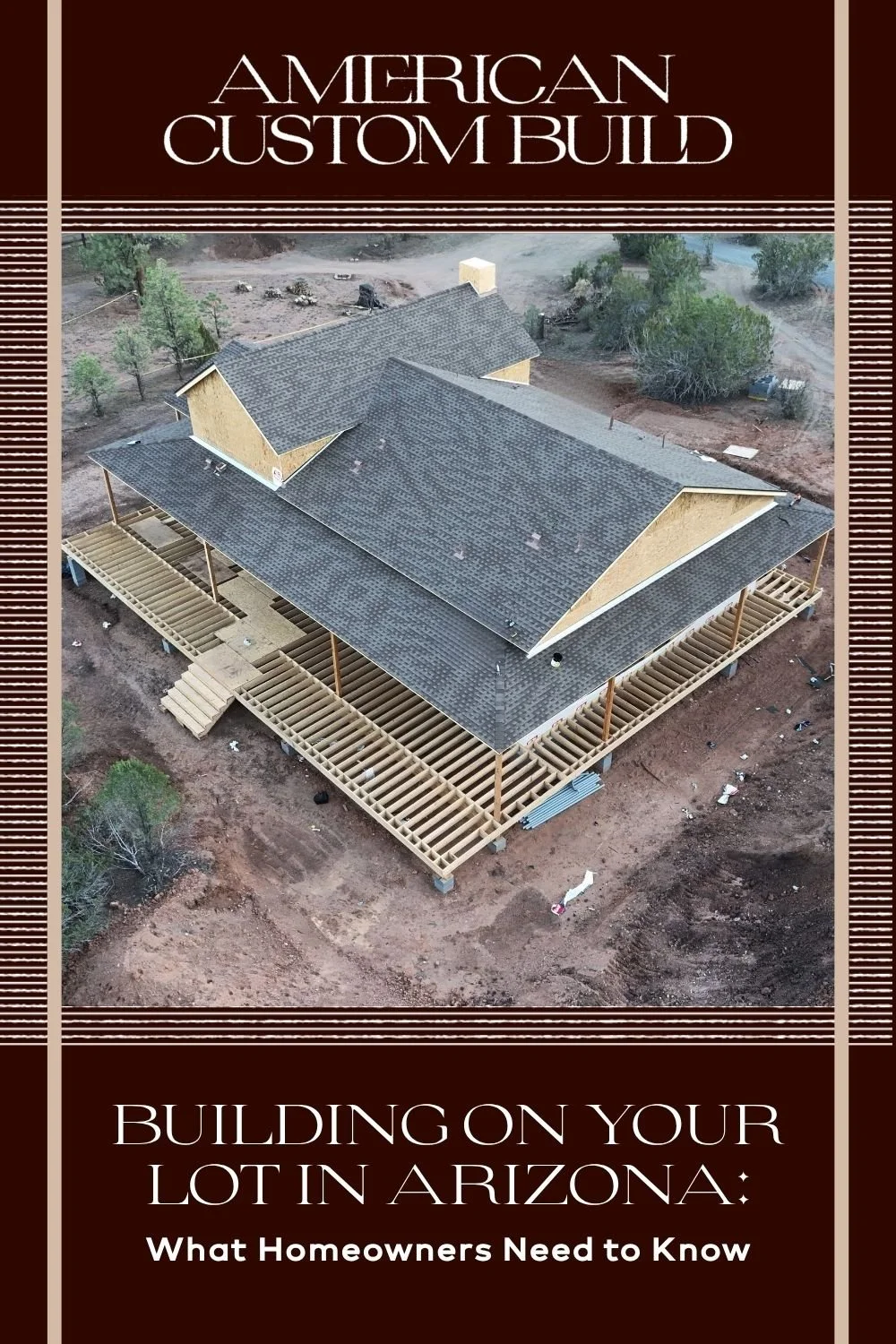
Building on Your Lot in Arizona: What Homeowners Need to Know
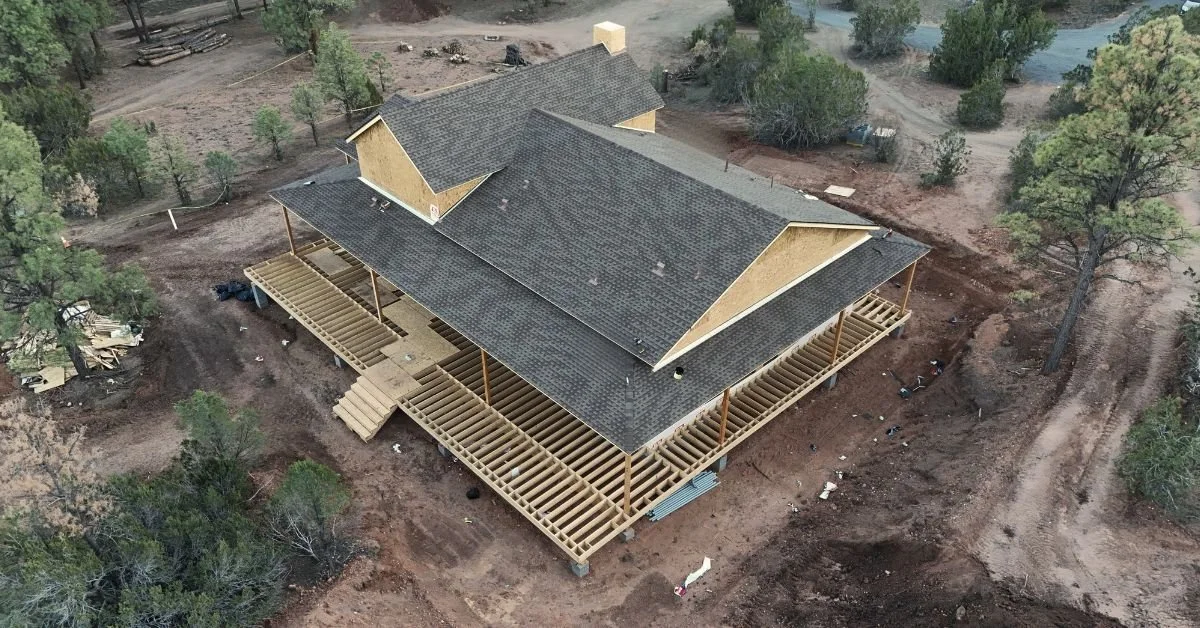
If you already own land in the Phoenix area, you're probably wondering what happens next. When you build on your lot Arizonainstead of choosing a lot inside a builder’s community, it means more say in everything from where your home sits on the property to how it takes advantage of the views and surrounding landscape. But it also comes with a few extra steps most subdivision buyers never think about.
At American Custom Build, we help homeowners across the Phoenix area build on your land, from the first site evaluation through the final walkthrough. Because our designers, builders, and project managers work together under one roof, we can look at your land and your home as one complete project from the beginning. Here's what to expect before you break ground.
What Does It Mean to Build on Your Land in Arizona?
Building on your land means the builder comes to a lot you already own, rather than you picking a lot from inside a subdivision. It's a common path for homeowners who bought their land for the view, the acreage, or the location, and now want a home designed specifically for that site.
The tradeoff for that control is that every step, from utilities to grading to permitting, is specific to your lot. What works on one property may not work the same way on another, even if they're only a few miles apart. A good builder walks that site with you before any design work starts, so decisions are based on what your land can actually support.
How to Build a House on Your Own Land in Arizona
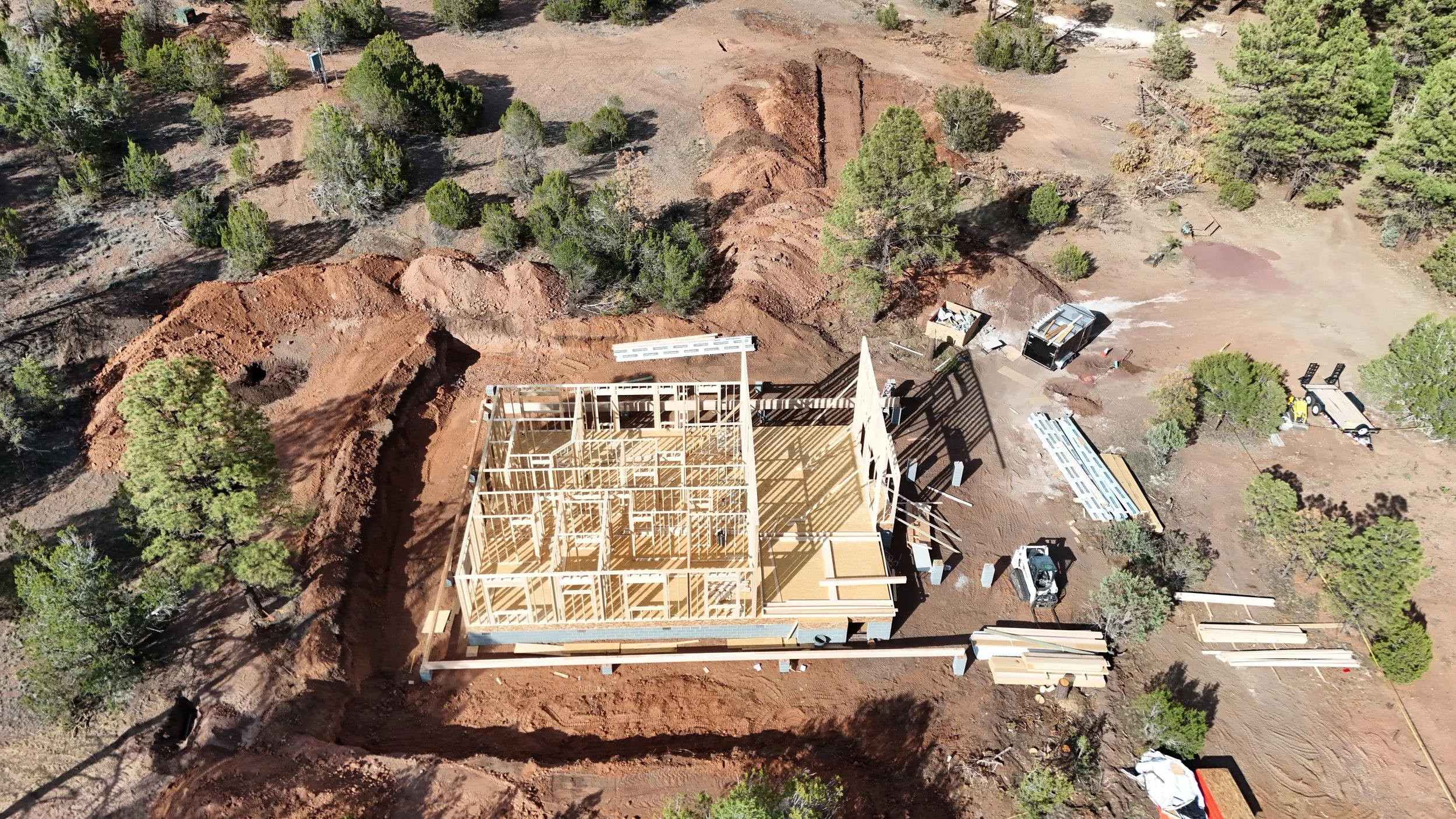
If you're researching how to build a house on your own land, one of the biggest things to understand is that the process really starts with the property, not the house.
The process generally follows in the same order no matter where in the Valley your lot sits, though the details can shift depending on thejurisdiction:
Start with a site evaluation. Utilities, access, grading, and soil conditions all affect what's possible on your lot, and they're worth confirming before you fall in love with a floor plan.This early look can also help identify potential challenges before they turn into expensive surprises.
Check zoning and permitting requirements. Every property is subject to local building and zoning requirements, which can affect everything from setbacks to permits and approval timelines. Understanding these requirements early helps you know what to expect before moving forward.
Plan for a perc test if you're not on city sewer. It measures how well your soil absorbs water and determines what kind of septic system your land can support.
Move design and permitting forward together. Once we understand the site, the design can start to take shape. And with those pieces aligned, permitting can move forward and construction can begin when the necessary approvals are in place.
What Does It Cost, and How Long Does It Take?
Truthfully, there's no single number that applies to every piece of land. Two lots a mile apart can have very different costs before construction on the home itself even begins. How far utilities need to run, whether the land needs significant grading, site accessibility, and whether you'll need a septic system can all factor into the final cost.
Site evaluation, soils testing, and permitting can take more time than most homeowners initially expect. Depending on the property and jurisdiction, those early steps may take weeks to a few months before construction starts.
One of the biggest schedule risks isn't necessarily the build itself, it's discovering a site issue after you've already invested in a design. Catching those issues early gives our team the opportunity to plan around them instead of reacting to them later and keeps your project on track.
Choosing the Right Builder for Your Property
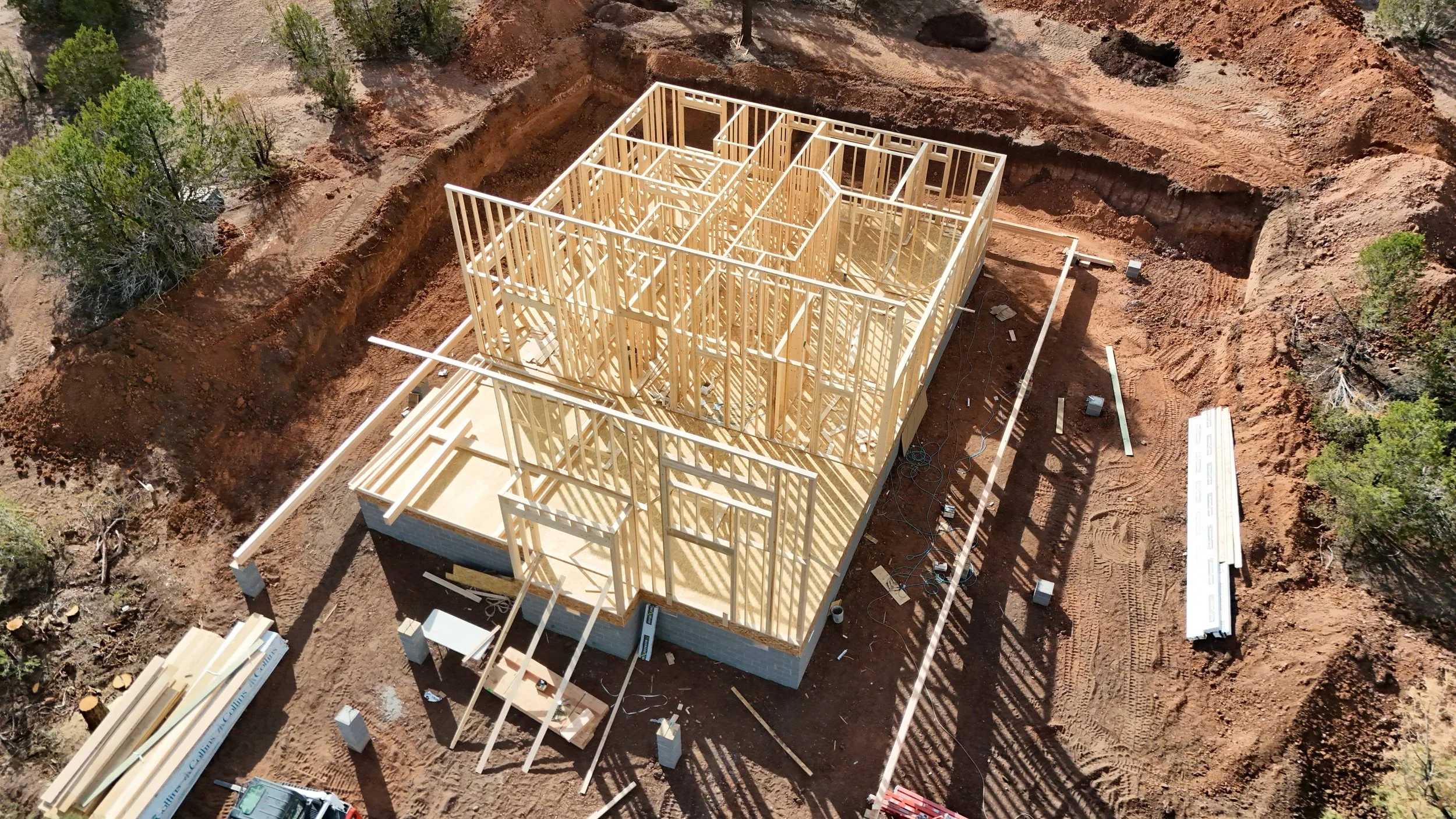
Not every home builder has experience building on privately owned land. Some builders work exclusively within their own communities, where many of the site-related decisions have already been made for you. Building on your own lot is different, so it’s worth asking whether a builder has experience with your specific jurisdiction and site type.
A few questions worth asking the builder before you commit:
Have you built on lots in my city or county before?
How do you handle soils reports and perc testing?
What's included in the site work scope, and what would be an added cost once construction starts?
At American Custom Build, our new home build process starts with your land, not a floor plan on a shelf. We walk every site with you before any design work begins, so you’ll know what to expect, no matter where your lot sits.
Ready to Build on Your Land?
Your land is already part of what makes your future home unique. The next step is figuring out how to make the most of it.
If you're ready to talk through your lotwith a team that understands both custom home design and the realities of building on an individual property, schedule a consultation with our team, and we'll give you a clear, honest picture of what it will take to build a custom home on your property.